
Why First Checks Matter for Fridge Repair in Singapore
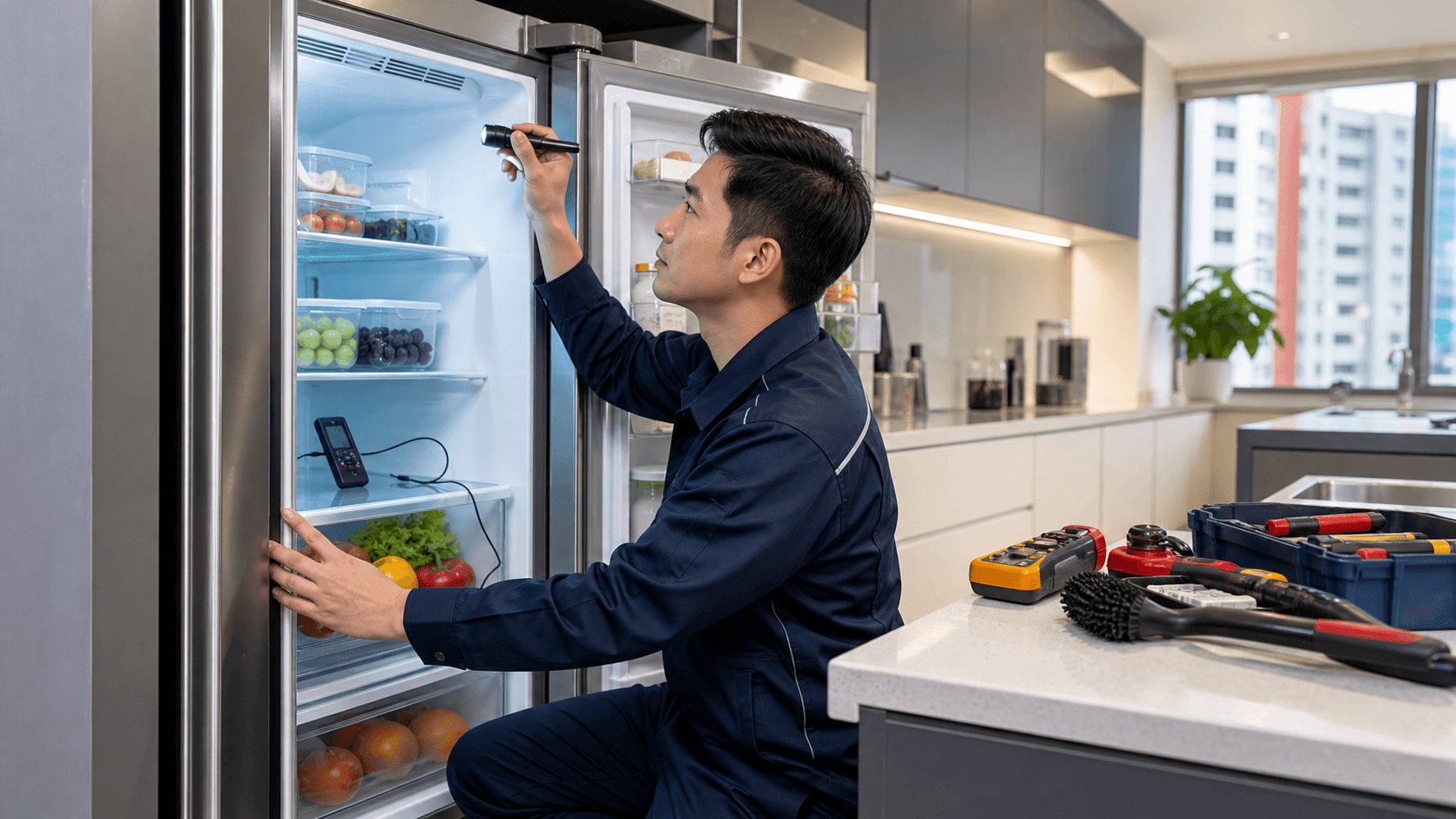
When a fridge stops cooling in Singapore, things go bad fast. In our hot, humid weather, food can warm up quickly, ice cream turns soft, and drinks lose their chill in what feels like no time. Those first 10 to 15 minutes after a refrigerator technician in Singapore steps into your home or shop can make a big difference to what can still be saved.
Before any tools come out, a good technician is already working. They are looking, listening, and asking a few simple questions. This early stage is about spotting obvious issues, protecting your food, and preventing more damage to the compressor and other parts.
At Singapore Fast Fridge Repair, we focus on rapid response and clear, step-by-step checks. We want to restore cooling as fast as possible, without guesswork. In this guide, we will walk through what technicians usually look at first, what you can safely check on your own, and when it is time to stop trying and get expert help, especially before busy festive or holiday periods.
First Impressions at the Door: Quick Visual Checks
The first thing a refrigerator technician in Singapore does is not open the toolbox; it is to look around. The area around the fridge often tells an early story.
Typical quick checks include:
- How close the fridge is to the wall
- Whether it is next to an oven, cooker, or in direct sun
- Whether there is any water on the floor near the front or back
- Obvious dents, cracks, or misaligned doors
Good ventilation space is important. If the fridge is squeezed tight into a cabinet with no breathing room, heat cannot escape properly. Over time, that can make the compressor run harder and wear out faster.
Next, the technician will usually inspect the door gaskets. These soft rubber seals have a simple but important job; they keep cold air in and warm air out. A quick look and feel can show:
- Cracks or splits in the rubber
- Mould, dirt, or sticky residue stopping a tight seal
- Doors that do not close fully or sit unevenly
When warm, humid air sneaks in through poor seals, the fridge has to work extra hard. You may see more condensation, frost, and a higher electricity bill, even if the fridge still feels cold.
Then there are the basic user settings. A technician will often check:
- Temperature dials or digital settings
- Holiday, eco, or power-saving modes
- If the fridge or freezer is packed very tightly
Before Hari Raya, Deepavali, or school holidays, many families load their fridges with trays of food and drinks. If containers are pressed up against vents or shelves are overcrowded, cold air cannot flow properly. These visual checks help separate simple user issues from deeper faults, which saves time and stress for everyone.
Power, Noise, and Temperature: Core Performance Clues
Once the outside looks alright, attention turns to how the fridge is actually running. Power is always checked first. Many "dead" fridges turn out to have:
- Loose plugs
- Faulty wall sockets
- Overloaded extension cords
A quick switch to a different socket, or inspection of the plug, can rule this out without touching the fridge components.
Next comes sound. A trained ear can pick up a lot just by listening. The technician will pay attention to:
- Whether the compressor starts, hums, and keeps running
- Repeated clicking sounds from start components
- Internal fan noise or complete silence
- Unusual rattling or vibration
If the freezer feels cold but the fridge section is warm, that is an important clue. Technicians may use a small thermometer or even a careful touch to compare different sections. Patterns like "freezer fine, fridge warm" often point to blocked vents, stuck fans, or defrost issues, not just low gas or a "weak fridge".
In Singapore, fridges often work harder during hot months when doors open more often, kids are home on holiday, or businesses are busier. A skilled refrigerator technician in Singapore will link these performance clues to common local stress on the appliance.
Inside the Fridge: Airflow, Frost, and Drainage Checks
After the first outside checks, it is time to look inside. Cool air must be able to move freely. If not, some areas freeze while others turn warm.
Key things technicians look for include:
- Vents blocked by tall containers or big platters
- Fans that are not spinning or are noisy
- Ice buildup around grills or covers
If air cannot move, the fridge temperature will be uneven, no matter how low you set the dial.
Frost and ice patterns also tell a clear story. Heavy frost behind the freezer panel, thick ice sheets, or "ice mountains" on the floor of the freezer can suggest:
- Defrost heaters not working
- Faulty sensors or timers
- Doors left slightly open for long periods
In a humid place like Singapore, moisture inside the fridge is a real concern. Technicians will usually check:
- For water pooling under crisper drawers
- The small drain hole at the back of the fridge section
- Any blockages from food bits, algae, or slime
When the drain blocks, defrost water has nowhere to go and can leak onto shelves or the floor. Small changes in habit help a lot, like letting hot food cool down a bit before placing it inside, not pressing items tight against vents, and resisting the urge to overpack before long weekends.
Under and Behind: Hidden Components That Fail First
Most people never look behind or under their fridge. A refrigerator technician in Singapore will, if it is safe to pull the unit out. This is where many early problems hide.
At the back or bottom, you will usually find:
- Condenser coils
- The compressor
- Condenser fan (on some models)
- Wiring and connection points
Dust, pet hair, and kitchen grease can collect on the coils. When that happens, the fridge cannot release heat properly and the compressor runs longer and feels hotter. A professional clean of these coils can help cooling performance and reduce strain on key components.
Technicians also check the compressor and its start parts. They may:
- Feel the compressor shell for extreme heat
- Listen for short, repeated attempts to start
- Test start relays or capacitors
If these parts are failing, the fridge may click on and off or stay completely silent. After these "behind the scenes" checks, an experienced technician can explain whether repair makes sense for the age and condition of the fridge, or if replacement might be the smarter long-term option.
When to Call a Refrigerator Technician in Singapore Today
There are some things most homeowners and businesses can safely look at themselves:
- Basic temperature settings
- Space around the fridge for ventilation
- Light cleaning of door gaskets and interior
- Obvious items blocking vents
But once it involves electrical parts, sealed systems, gas, or wiring, it is safer to stop and let a trained technician handle it. Trying DIY fixes on these parts can make problems worse or create safety risks.
Clear signs that you should contact a professional quickly include:
- Food still not cold after several hours of running
- Strong burning or chemical smells
- Circuit breakers tripping when the fridge runs
- New, loud, or strange noises from the back or inside
- Visible water leaks that keep coming back
- Complete loss of power, even after socket checks
These issues are especially stressful during June school holidays, festive seasons, or busy catering periods when fridges are full and there is no time for trial and error. Calling a refrigerator technician in Singapore early helps prevent food loss, downtime, and bigger failures. Regular professional maintenance before peak hot months or important celebrations can also catch small issues early, so your fridge keeps running steadily when you need it most.
Restore Your Fridge's Performance With Expert Help Today
If your fridge is not cooling properly or making unusual noises, let Singapore Fast Fridge Repair pinpoint the problem before it turns into a costly breakdown. Our experienced refrigerator technician in Singapore will diagnose the issue quickly and recommend the most effective repair solution. To arrange a convenient appointment or ask a question, simply contact us and we will get your refrigerator back to reliable performance as soon as possible.


