Stop, Check, Decide Fast When Your Freezer Warms Up
When a freezer not cooling problem hits in Singapore, things go wrong very quickly. The room is warm, the air is humid and food that felt rock hard last night can be soft by morning. Whether you are at home in an HDB flat or running an F&B kitchen, a slowly melting freezer can mean both food safety worries and money down the drain.
In that moment, you need to make fast, clear choices. Which food is still safe, what can be refrozen, what must be thrown away and how do you record everything for insurance or landlord claims? Good decisions protect your family or customers from food poisoning, cut down on needless waste and give you clean proof of what you lost.
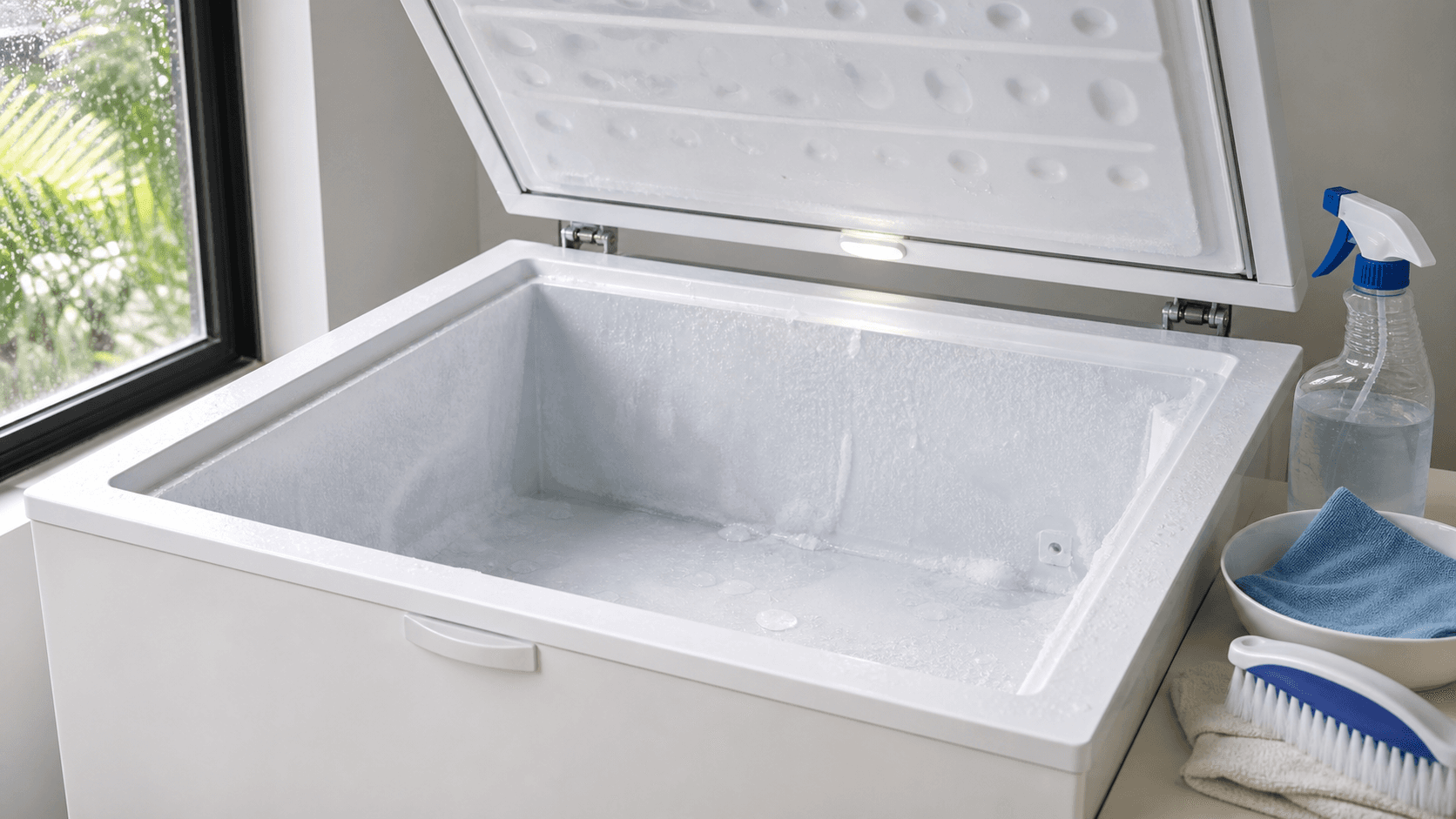
A freezer not cooling problem is not always obvious at first. You may notice ice cream getting soft, frost on the walls turning to slush, small pools of water at the door, a temperature alarm beeping or a digital display creeping above minus 18 degrees. Once you spot these signs, it is time to act.
In this guide, we will keep things simple and practical, focusing on three main points: how long and how warm food can get before it is risky, what to toss versus what you can safely refreeze and how to document losses for insurance and property managers, while you arrange fast repair help to stop the damage getting worse.
Time and Temperature Rules Every Singapore Home Needs
Freezers work best at or below minus 18 degrees. At that point, bacteria are basically asleep and food can stay safe for quite a long time. Trouble starts when food warms up and later gets close to normal fridge temperatures.
There are three easy temperature zones to remember:
- Safe freezing: at or below minus 18 degrees
- Chilled but not frozen: between 0 and 4 degrees
- Higher risk: food fully thaws and rises above 4 degrees
In Singapore heat, food warms fast if the power is off or the freezer is not cooling properly. The safe window depends on how full the freezer is and how often the door is opened.
Roughly:
- A full, unopened freezer often keeps food safely frozen for up to a day or two
- A half-full unit or one that is opened often, like in a busy kitchen, warms much faster
- Small freezers in HDB flats lose cold quicker than large commercial chest freezers
Once you notice a problem, use a quick triage:
- Check how long the freezer may have been warm. Think about the last time you opened the door, the last power trip, any beeping alarms or fresh condensation.
- Look at the temperature reading if your unit has a digital display. If not, an appliance thermometer is very helpful.
- Prioritise high-risk foods: raw meat, seafood, poultry, dairy products and ready-to-eat meals.
Common local situations include overnight compressor failure, power trips during heavy rain and lightning, or long breakdowns that happen right before public holidays, when freezers are packed with festive stock and repair slots are tight. The sooner you check, the more you can safely save.
What to Toss Versus What You Can Safely Refreeze
When the freezer not cooling problem is already in front of you, standing in the warm kitchen and staring at half-soft food can feel stressful. A few simple rules can make it easier.
High-risk foods first:
- Raw meat, poultry, seafood
- Safe to refreeze if still icy to the core and the surface feels fridge-cold
- If fully thawed and above 4 degrees for more than a few hours, they should be discarded
- Cooked dishes, curries, stews, rice and ready meals
- If fully thawed and above 4 degrees for more than 2 hours, especially in our climate, it is safer to throw them away
- If still cool and only partly thawed, you can cook and eat them the same day, then keep leftovers in the fridge and finish them quickly
- Ice cream and soft-serve
- If it has melted to a liquid state and then refrozen, both safety and texture are doubtful
- In most cases, it is better not to take the risk
Lower-risk items are more flexible:
- Bread, cakes without dairy cream and biscuits can usually be refrozen, though texture might change.
- Plain fruits and vegetables are generally safe to refreeze if they were originally frozen raw, but they may go soft. They are still fine for cooking in soups, stir-fries or sauces.
- Butter, hard cheese and many processed foods can often be refrozen if they stayed reasonably cold. Check for off smells, odd colour or oil separation.
Use this quick test:
- Still has ice crystals and feels fridge-cold: usually safe to refreeze or cook the same day
- Fully thawed but still below 4 degrees: cook immediately and eat or discard within 24 hours
- Fully thawed and above 4 degrees for more than 2 hours: discard, especially meat, seafood, dairy and cooked foods
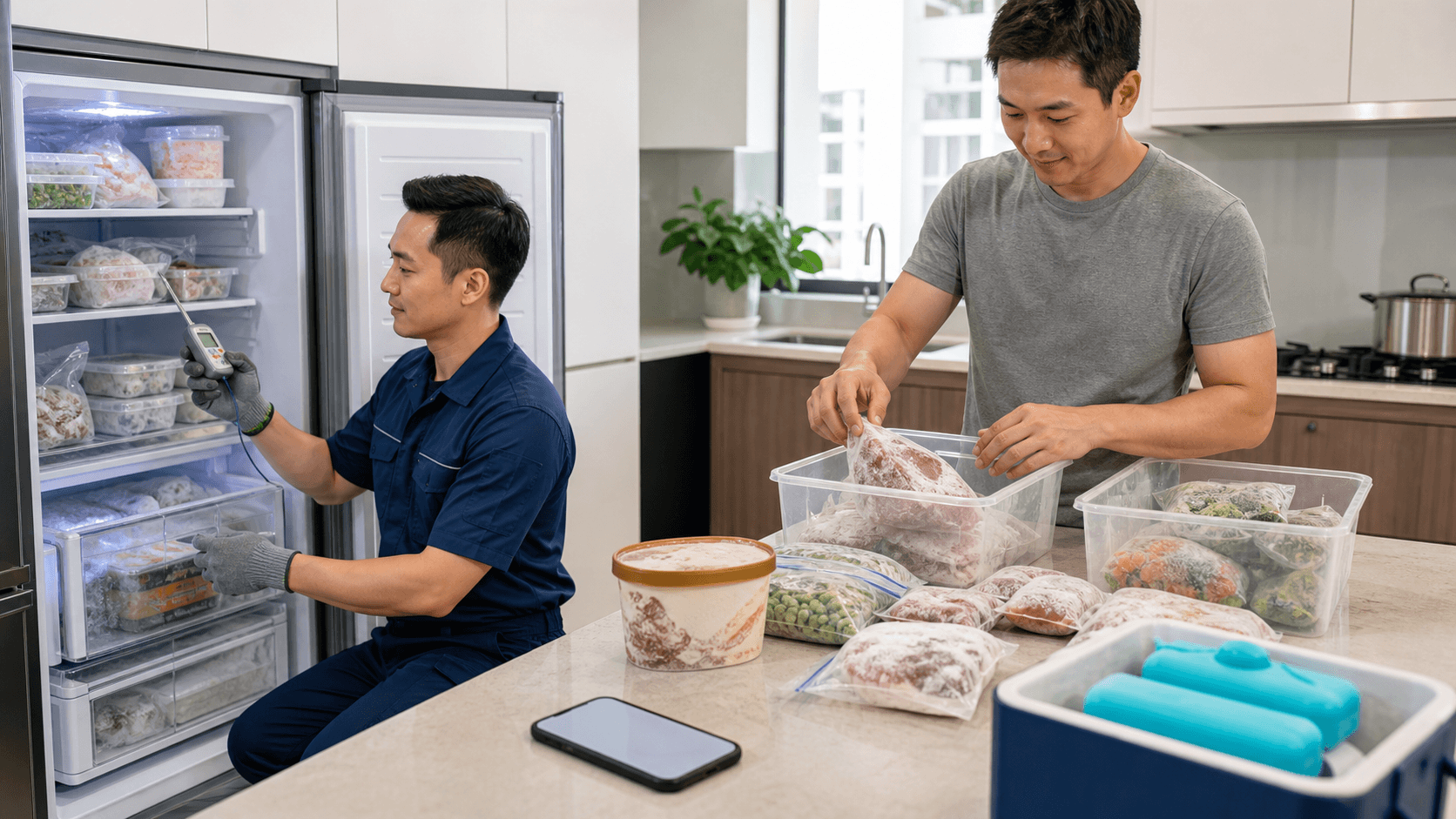
To stay organised, sort items into three groups: a "safe to refreeze" pile, a "cook now" pile and a "definitely toss" pile. This makes decisions clearer and also sets you up nicely for the documentation step.
Documenting Food Losses for Insurance and Landlords
When a freezer not cooling fault leads to real food loss, good records can make a big difference. Home contents insurance, business policies and even building management may ask for proof of what was stored and why it had to be thrown away.
A simple process helps:
- Take clear, time-stamped photos of the freezer interior before you remove anything. Try to show how full it is and how thawed the food looks.
- Photograph labels, expiry dates and brand packaging of costly or special items, such as premium meats, imported products, tubs of ice cream or bulk stock meant for catering events.
- Create a list with each item, the rough quantity, purchase value and where and when it was bought. If you have receipts or digital records, attach or note them.
For households, a quick list in a notes app or a basic spreadsheet is usually enough. Group items by type, for example:
- Meat and poultry
- Seafood
- Ready meals and frozen snacks
- Desserts and ice cream
For restaurants, cafes and hawker stalls, you may already have stock lists in your POS or inventory software. Export what you can and add notes on batch numbers and supplier invoices where needed. Also write down the timing: when you first noticed the freezer not cooling, when photos were taken and when items were thrown away.
Good documentation goes hand in hand with quick action to stop further loss, such as arranging professional repair as soon as possible. This shows insurers and property managers that you took reasonable steps to reduce the damage.
When to Call Fast Fridge Repair and How to Prevent Next Time
Sometimes a simple power trip clears the issue and the freezer goes back to normal. Other times, the temperature keeps creeping up, ice cream never really hardens and you notice new puddles of water under the unit. Those are signs you should call a professional.
Red flags include:
- Freezer not cooling properly for more than a couple of hours while the power supply is normal
- Repeated circuit breaker trips, loud or strange compressor noises or steady water leaks
- Temperature rising again and again even after manual defrosting or pressing reset buttons
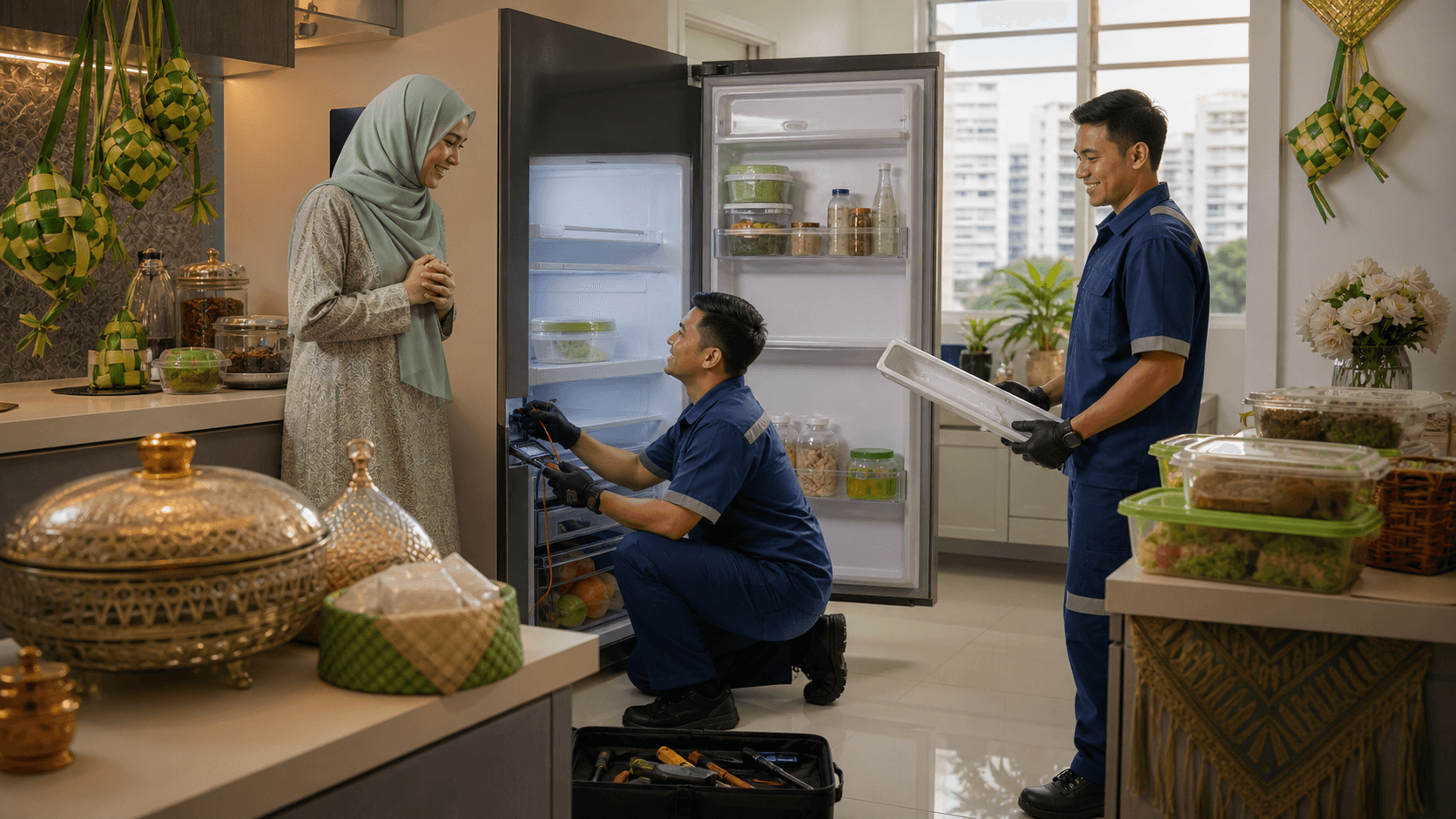
A specialist can carry out fast checks on residential and commercial freezers across Singapore, help limit food spoilage with prompt repairs where possible and advise whether it is smarter to repair or replace an older or heavily used unit.
To reduce the chance of a repeat problem:
- Keep a low-cost appliance thermometer in your freezer and glance at it now and then
- Before big festive stock-ups, give the freezer a quick health check rather than loading it to the brim at the last minute
- Avoid blocking air vents and leave some space for cold air to move around
- Learn simple emergency actions: keep doors closed, move the most valuable or fragile stock to a neighbour's or backup freezer and call in a technician quickly
We know how stressful it is when a freezer not cooling problem hits right when you have stocked up for family gatherings or a busy weekend of sales. With clear food safety rules, proper documentation and prompt professional support, you can handle the situation calmly, protect the people who eat your food and be better prepared the next time your freezer starts to warm up unexpectedly.
Restore Cold, Reliable Freezing Before Food Goes To Waste
If your freezer not cooling is causing you stress, we can diagnose and fix the fault quickly so your food stays safe and your routine is not disrupted. At Singapore Fast Fridge Repair, our experienced technicians handle all major brands with efficient on-site service. Tell us what is happening with your appliance and we will recommend the most practical repair option. To arrange a convenient appointment, simply contact us today.